Java Full Stack Development
Master Core Java, Advanced Java, Spring Boot, Hibernate, REST APIs, front-end basics, MySQL, and deployable projects.
What you'll use in every class
Industry tools covered in training, projects, and placement preparation.
Java Full Stack Learning Roadmap
See the complete path from Core Java to your first job — explained by our academic team.
Learn the skills companies ask in interviews
Each module builds toward projects, resume confidence, and interview answers.
Core Java Fundamentals
- OOP concepts — classes, objects, inheritance, polymorphism
- Exception handling, file I/O, and serialization
- Collections framework — List, Map, Set, Iterator
- Multithreading — thread lifecycle, synchronization, executors
- Java 8+ features — lambdas, streams, Optional, method references
Advanced Java & Web Basics
- Servlets and JSP — request/response lifecycle and session management
- JDBC — connecting Java applications to MySQL databases
- HTML5 and CSS3 — semantic structure, Flexbox, responsive layouts
- JavaScript essentials — DOM manipulation, events, fetch API
- Bootstrap 5 — responsive UI components and utility classes
Spring Framework & Spring Boot
- Spring Core — dependency injection, IoC container, bean scopes
- Spring MVC — controllers, views, request mapping, interceptors
- Spring Boot — auto-configuration, starter dependencies, profiles
- Spring Security — JWT authentication, role-based access control
- Spring Data JPA — repositories, JPQL, pagination and sorting
Hibernate & Database Design
- Hibernate ORM — entity mapping, CRUD operations, lazy vs eager loading
- HQL and Criteria API for flexible database queries
- MySQL — schema design, joins, stored procedures, indexing
- Database relationships — OneToMany, ManyToMany, cascade types
- Transaction management, caching, and connection pooling
REST APIs & Microservices Basics
- REST API design — HTTP methods, status codes, versioning best practices
- Building and documenting REST APIs with Spring Boot + Swagger
- Postman — API testing, collections, and environment variables
- Exception handling, input validation, and API error responses
- Introduction to microservices — service decomposition and REST communication
Angular Frontend Development
- TypeScript basics — types, interfaces, decorators for Angular
- Angular components, modules, routing, and lazy loading
- Services, dependency injection, and HTTP client for API calls
- Reactive forms, template-driven forms, and form validation
- Connecting Angular frontend to Spring Boot backend end-to-end
Projects, Git & Placement Prep
- Maven — build lifecycle, dependency management, multi-module projects
- Git and GitHub — branching, pull requests, code review workflow
- 3 full-stack Java projects for resume and GitHub portfolio
- Mock interviews — 50+ most-asked Java, Spring Boot, and SQL questions
- Resume writing, LinkedIn profile, and placement drive preparation
Projects students can show during interviews
Hospital OPD Queue Management System
Manages patient queues, slots and doctor availability — real healthcare domain.
Retail POS Billing & Receipt Module
Point-of-sale billing — every interviewer understands this domain instantly.
Employee Attendance & Leave Tracker
HR tool with authentication — shows end-to-end Spring Boot capability.
College Fee Collection & Receipt API
Education domain API — specific enough to not look like a template project.
25,000+ students placed — here's a few
These are actual placements from The Kiran Academy — verified and updated regularly.























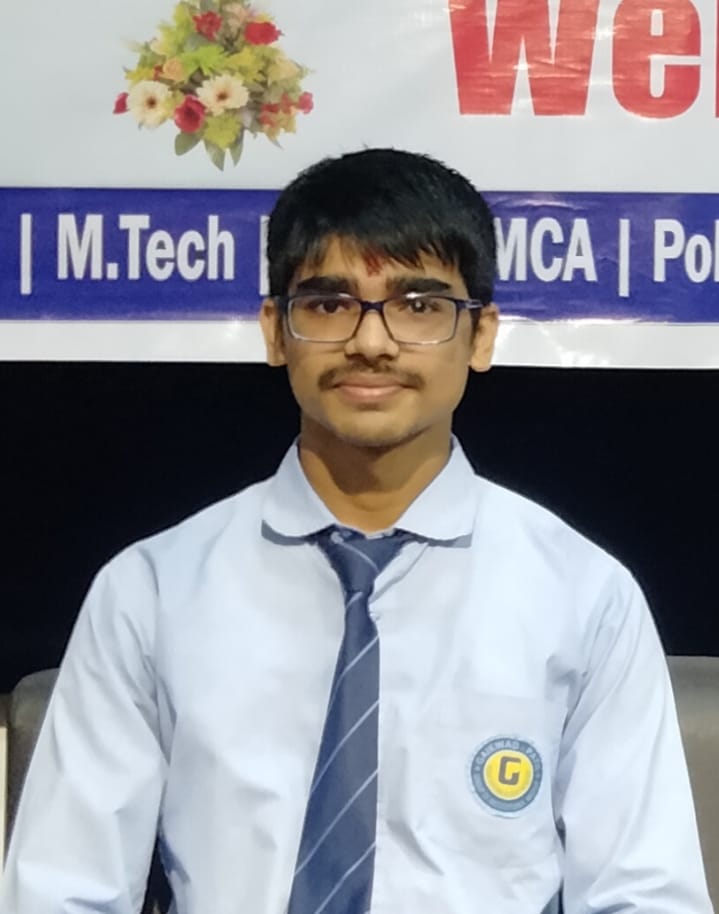






Our students are working at






























Your first class is free.
Attend a demo session before you decide. No obligation, no fees — just learning.
Common student doubts
Short answers for course, placement, and project expectations.
Yes — Java remains one of the top 3 most-hired programming languages globally. In Pune specifically, Java (especially Spring Boot and Microservices) is the dominant backend technology at IT services companies like Infosys, TCS, Wipro, Persistent, and LTIMindtree. The demand has only grown with Java 17 and 21 LTS versions modernising the ecosystem.
Fresher Java developers in Pune typically start at ₹3 to ₹5 LPA at IT services companies. Product companies and funded startups often offer ₹5 to ₹8 LPA for freshers with a strong project portfolio. After 1–2 years of experience, most Java developers in Pune move to ₹7–12 LPA.
Core Java covers the language fundamentals — OOP, collections, exceptions, multithreading. Java Full Stack adds the full web development layer on top: Spring Boot for REST APIs, Spring Data JPA and Hibernate for databases, frontend basics (HTML, CSS, JavaScript), and deployment. A "Full Stack Java developer" can build and deliver an entire web application end-to-end.
No prior programming experience is required. Our Java Full Stack course begins from absolute zero — variables, data types, control flow — before moving to OOP and then the full stack layers. Most of our placed Java students started with zero coding background. If you can use a computer, you can start.
Yes — virtually every Java developer job description today requires Spring Boot. Employers expect you to build REST APIs with Spring Boot, handle database operations with Spring Data JPA, and understand Spring Security for authentication. Core Java alone is insufficient for most IT job roles. Our course covers Spring Boot comprehensively.
Our Java students have been placed at Infosys, TCS, Wipro, Cognizant, Accenture, Capgemini, Persistent, LTIMindtree, Hexaware, Mphasis, Zensar, Tech Mahindra, and 300+ more companies. We also have placement connects with startups in Pune, Hyderabad, Bangalore, and Mumbai.
Yes. Many of our placed Java students have degrees in mechanical engineering, civil engineering, commerce, BCA, or BSc. What companies evaluate is your ability to build and explain projects, answer Java and Spring Boot interview questions, and write clean code. A strong GitHub portfolio and interview preparation matters more than your degree branch.
You will build 3+ full-stack projects including: a Hospital OPD Queue Management System (Spring Boot, MySQL, REST API), a Retail POS Billing Module (Core Java, Hibernate), and an Employee Attendance & Leave Tracker (Spring Boot, JWT). Projects are hosted on GitHub and are interview-ready — you will be able to explain every line in a technical interview.
Our Java Full Stack course is 6 months — covering Core Java, Advanced Java, Spring Boot, frontend basics, projects, and placement preparation. Most students complete the course and receive their first offer within 8–12 weeks of course completion. The key factor is consistent practice and completing all projects.
Three key differences: (1) Live trainer interaction — your trainer reviews your actual code, not just video lectures. (2) Placement support — we connect you to 500+ companies and run mock interviews until you get placed. (3) Small batches of max 15 students — so your questions are answered in class, not in a YouTube comment section. You finish with a deployable portfolio, not just a completion certificate.