Python Full Stack Development
Build practical Python, Django/Flask, database, REST API, and front-end skills with placement-focused capstone projects.
What you'll use in every class
Industry tools covered in training, projects, and placement preparation.
Python Full Stack Learning Roadmap
See the complete path from Python basics to your first developer job.
Learn the skills companies ask in interviews
Each module builds toward projects, resume confidence, and interview answers.
Core Python Programming
- Python syntax, data types, operators, and control flow
- Functions, modules, packages, and virtual environments
- OOP in Python — classes, inheritance, dunder methods, decorators
- File handling, exception management, and context managers
- List comprehensions, generators, and iterators for clean code
Frontend Basics for Web Development
- HTML5 — semantic structure, forms, and accessibility
- CSS3 — Flexbox, Grid, transitions, and responsive design
- JavaScript essentials — DOM manipulation, events, and fetch API
- Bootstrap 5 — responsive UI components and utility classes
- Jinja2 templating — dynamic HTML rendering in Django views
Django Web Framework
- Django project structure — apps, views, URLs, templates, static files
- Django models and ORM — migrations, relationships, querysets
- Django admin panel — customization and data management
- Class-based views, generic views, and middleware
- Forms, CSRF protection, authentication, and session management
Database Design with MySQL & Django ORM
- MySQL — schema design, joins, subqueries, indexing
- Django ORM — CRUD, Q objects, select_related, prefetch_related
- Database relationships — ForeignKey, ManyToMany, OneToOne
- Raw SQL queries when ORM is not enough
- SQLite for development, MySQL for production deployment
REST APIs with Django REST Framework
- DRF serializers — model serializers, nested serializers, validation
- API views, viewsets, and routers for clean URL structure
- JWT authentication — login, token refresh, protected endpoints
- API versioning, pagination, filtering, and Swagger documentation
- Postman for API testing and collection management
Python ML Basics, Projects & Placement Prep
- Pandas and NumPy — data loading, cleaning, and transformation
- Integrating ML model predictions into Django REST API endpoints
- Git and GitHub — branching workflow and portfolio setup
- 3 full-stack Python web projects for resume and interviews
- Mock interviews — Python, Django, SQL, and API design questions
Projects students can show during interviews
Coaching Centre Enquiry & Follow-up CRM
Lead management for institutes — relatable domain, explains well in interviews.
Pharmacy Stock & Expiry Date Tracker
Healthcare supply domain — specific enough to not appear in "beginner project" lists.
Vehicle Service Reminder Web App
Auto servicing domain — believable small business use case with REST API.
Hotel Room Booking & Availability API
Hospitality domain with authentication — shows industry-standard REST patterns.
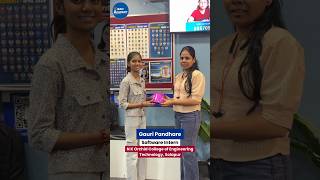
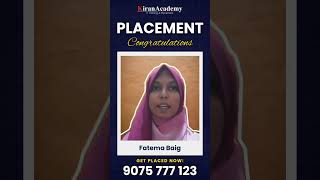
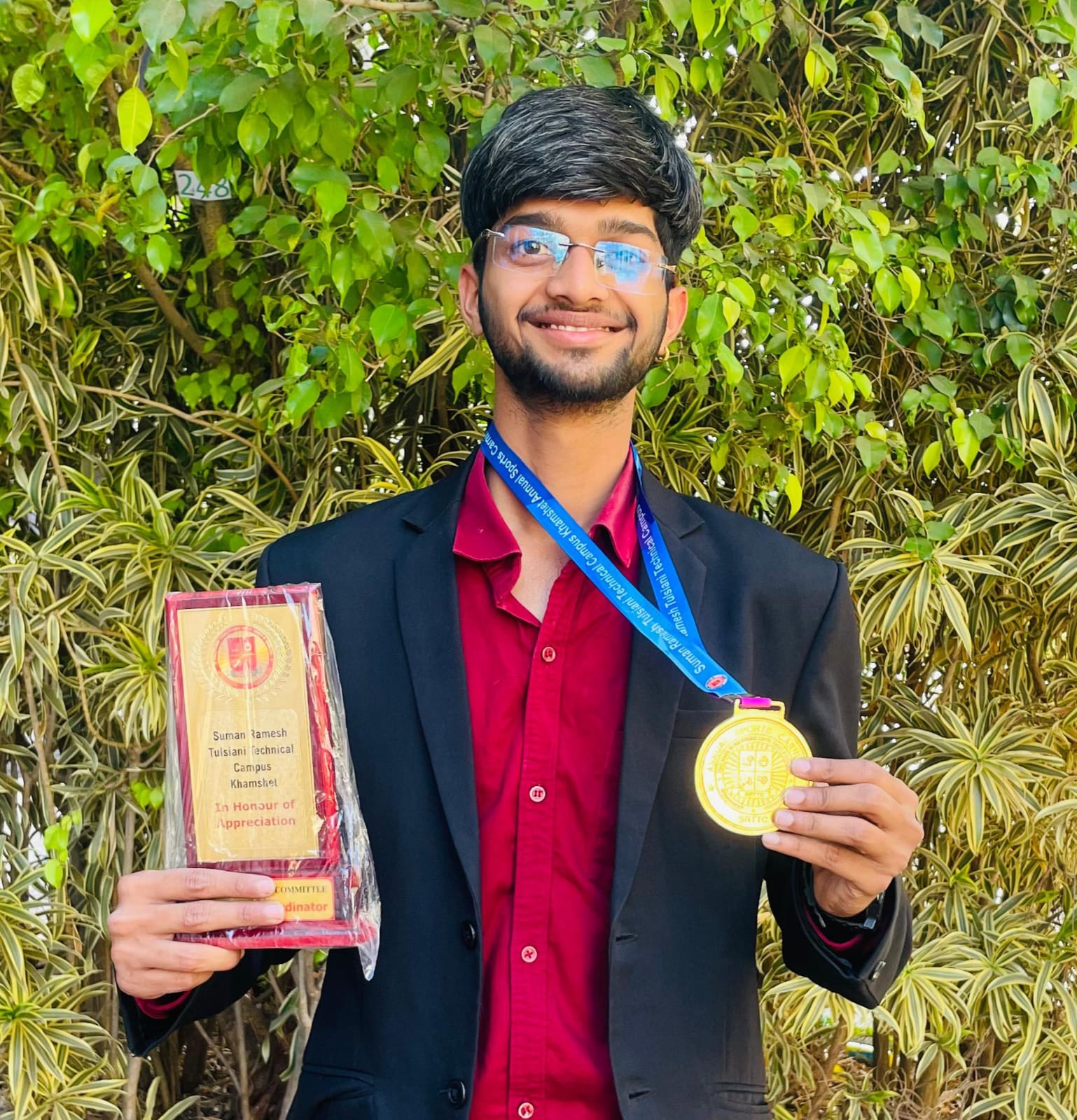
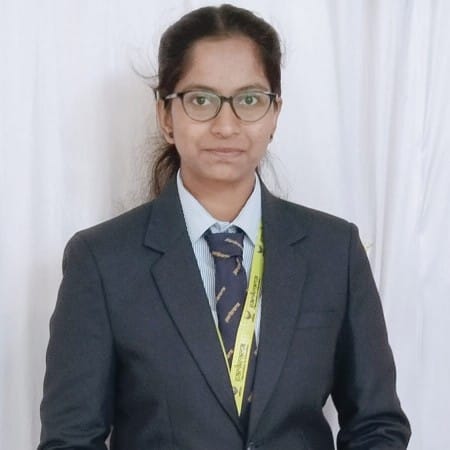
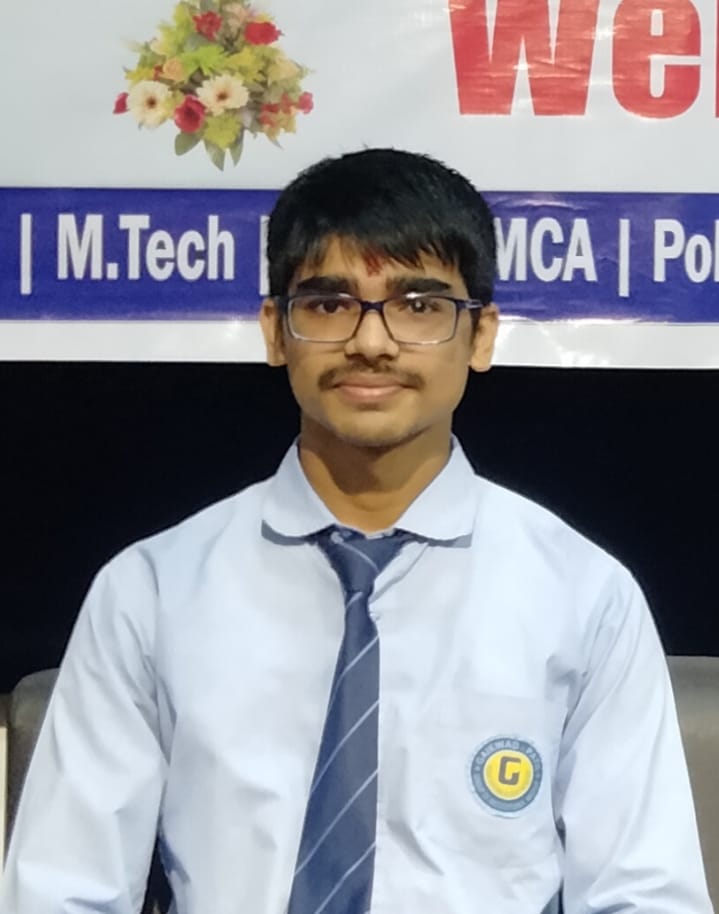
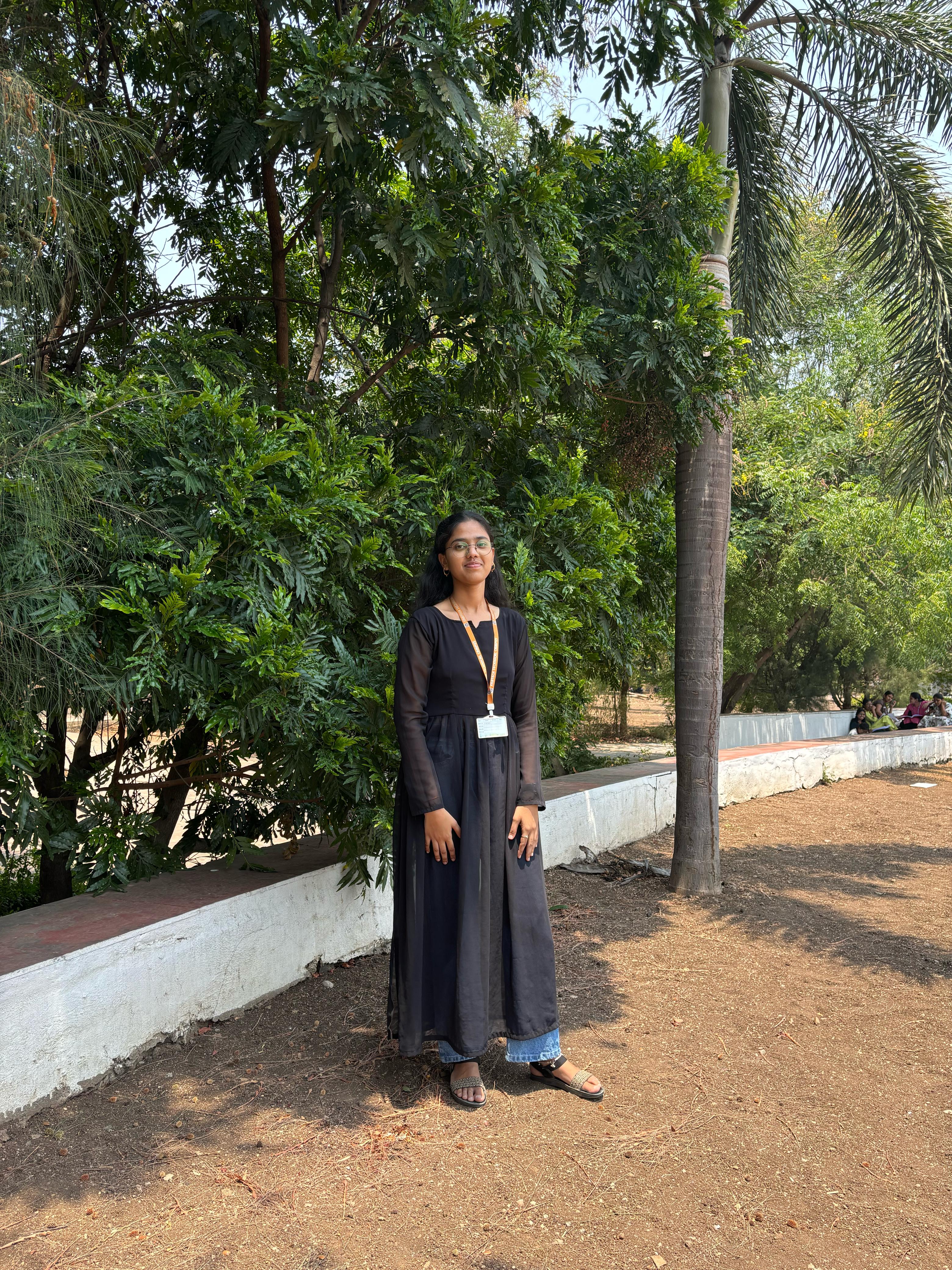
25,000+ students placed — here's a few
These are actual placements from The Kiran Academy — verified and updated regularly.


























Our students are working at



























Watch mock interviews & practice sessions
See how real interviews go — preparation, answers, and feedback included.

Python Interview for Freshers | Core Python Mock Interview

Crack Your First Python Interview | Data Science & SQL

9-Year-Old Python Genius — Are You Keeping Up?

One Interview Can Change Your Entire Career!

Make Your Resume Perfect with ChatGPT — Get Shortlisted!

What Is AI & Data Science? | Explained for Beginners
Python Interview for Freshers | Core Python Mock Interview
Crack Your First Python Interview | Data Science & SQL
9-Year-Old Python Genius — Are You Keeping Up?
One Interview Can Change Your Entire Career!
Make Your Resume Perfect with ChatGPT — Get Shortlisted!
What Is AI & Data Science? | Explained for Beginners
Your first class is free.
Attend a demo session before you decide. No obligation, no fees — just learning.
Common student doubts
Short answers for course, placement, and project expectations.
Python is consistently ranked #1 or #2 most popular programming language globally. It is the go-to language for web development (Django, Flask), data science, machine learning, automation, and scripting. In India, Python developer roles have grown 40%+ year-on-year. It is one of the best first languages for career switchers because of its clean syntax and versatility.
Fresher Python developers in Pune typically earn ₹3.5 to ₹6 LPA. Companies building web applications with Django or Flask, or data-heavy startups, often pay more. With 1–2 years of experience, Python developers commonly reach ₹8–15 LPA. If you combine Python Full Stack with data libraries (Pandas, NumPy), your profile becomes attractive for both developer and data analyst roles.
Python Full Stack means you can build the complete web application — backend logic with Python (using Django or Flask), database operations with PostgreSQL or MySQL, and frontend views with HTML, CSS, and JavaScript. A Full Stack Python developer handles API development, database design, and user interface, making them valuable for startups and product teams that need versatile developers.
No — for Python Full Stack development (web development), you do not need advanced mathematics. Basic logical thinking and problem-solving are enough. Maths becomes relevant only if you move into data science or machine learning on top of Python. Our Python Full Stack course covers web development with Django/Flask and does not require a mathematics background.
The Python Full Stack course at The Kiran Academy covers: Core Python (OOP, file handling, exception management), Django (models, views, templates, REST APIs with DRF), Flask (lightweight API development), PostgreSQL and MySQL (database operations), HTML5, CSS3, JavaScript essentials, Git and GitHub, and deployment basics. You also work with AI tools like GitHub Copilot and ChatGPT for productivity.
Python developers are hired by IT services companies (Infosys, Wipro, Cognizant), product startups, data engineering firms, and analytics companies. Our Python students have been placed at companies across Pune, Hyderabad, Bangalore, and remote-first product startups. Python is especially strong for roles at companies with data, automation, or web product needs.
Yes. Python is one of the most beginner-friendly languages — its syntax reads almost like English. Our course starts from absolute basics: variables, data types, loops, functions — before moving to OOP and then web frameworks. No prior programming background is needed. Many of our placed Python students came from commerce, arts, or non-engineering backgrounds.
Python Full Stack is focused on building web applications — backend APIs, database connections, frontend views. Data Science uses Python for a different purpose: analysing datasets, building ML models, creating dashboards. Both use Python but in completely different ways. Python Full Stack leads to developer or software engineer roles. Data Science leads to data analyst, ML engineer, or data scientist roles.
You will build 3+ deployable web projects including: an E-commerce Product Catalogue API (Django REST Framework, PostgreSQL), a Task Management Web Application (Django, HTML/CSS/JS), and a Student Grades & Progress Dashboard (Flask, MySQL). All projects go on GitHub and are designed to be explained clearly in technical interviews.
Our Python Full Stack course runs for 6 months including placement preparation. Most students receive their first offer within 8–12 weeks after course completion. Consistent practice — especially completing all projects and going through mock interviews — is the biggest differentiator between students who get placed quickly and those who take longer.